
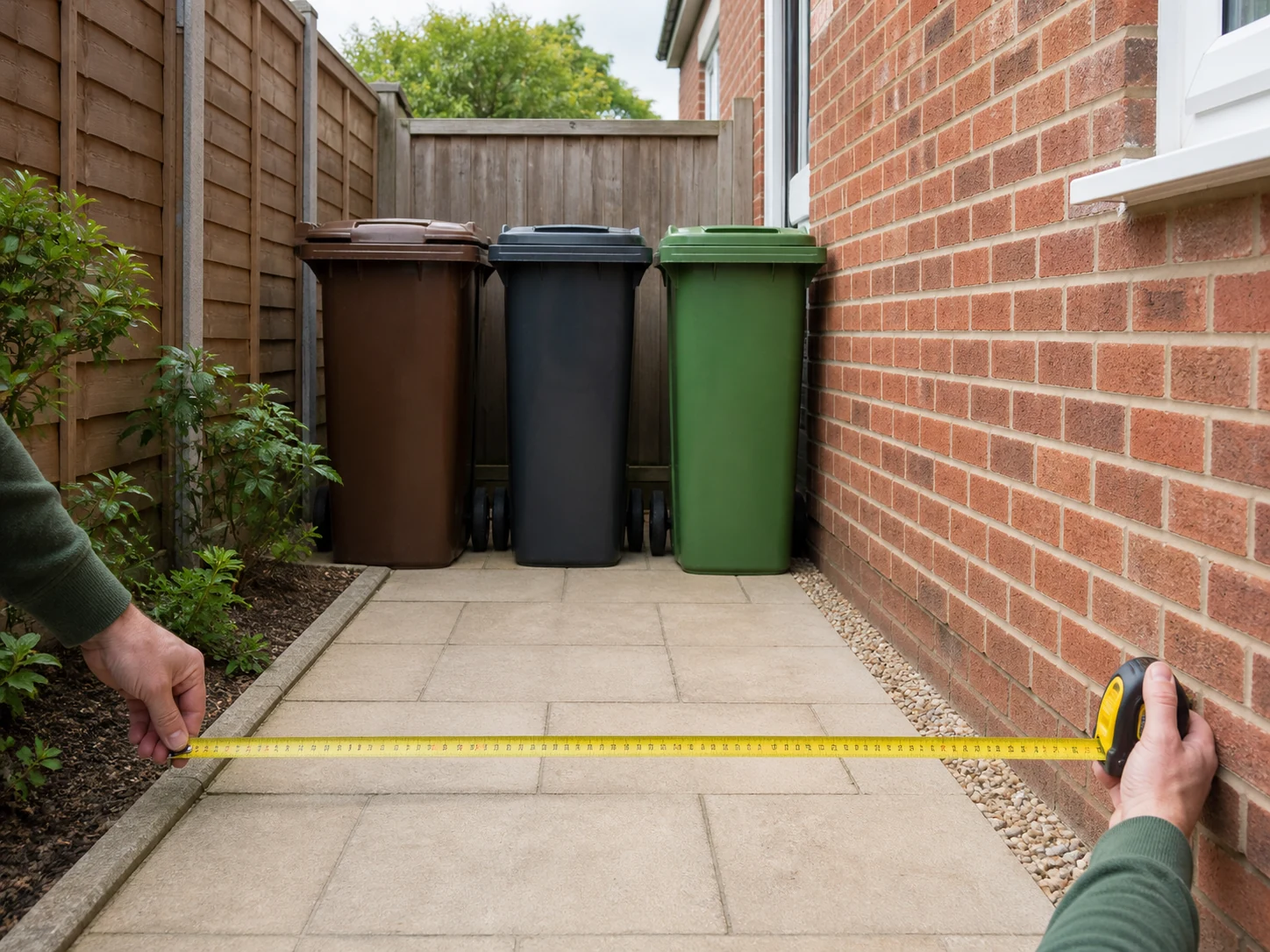
How to measure a wheelie bin
The measurements that prevent most avoidable ordering mistakes.
Read guide →Practical UK buying guidance
Measure first, compare recorded dimensions, then verify anything the product listing does not confirm.
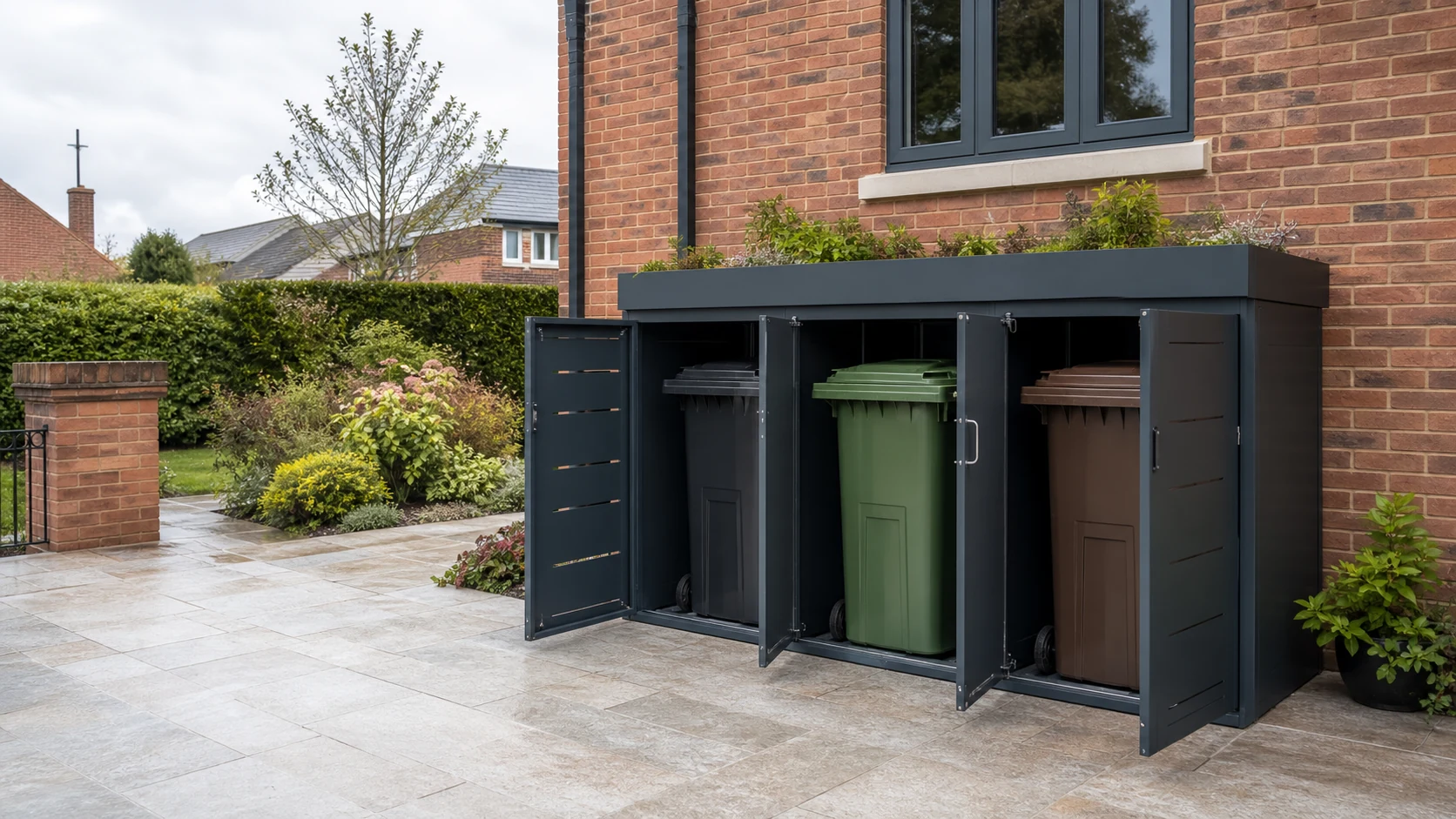
The measurements that prevent most avoidable ordering mistakes.
Read guide →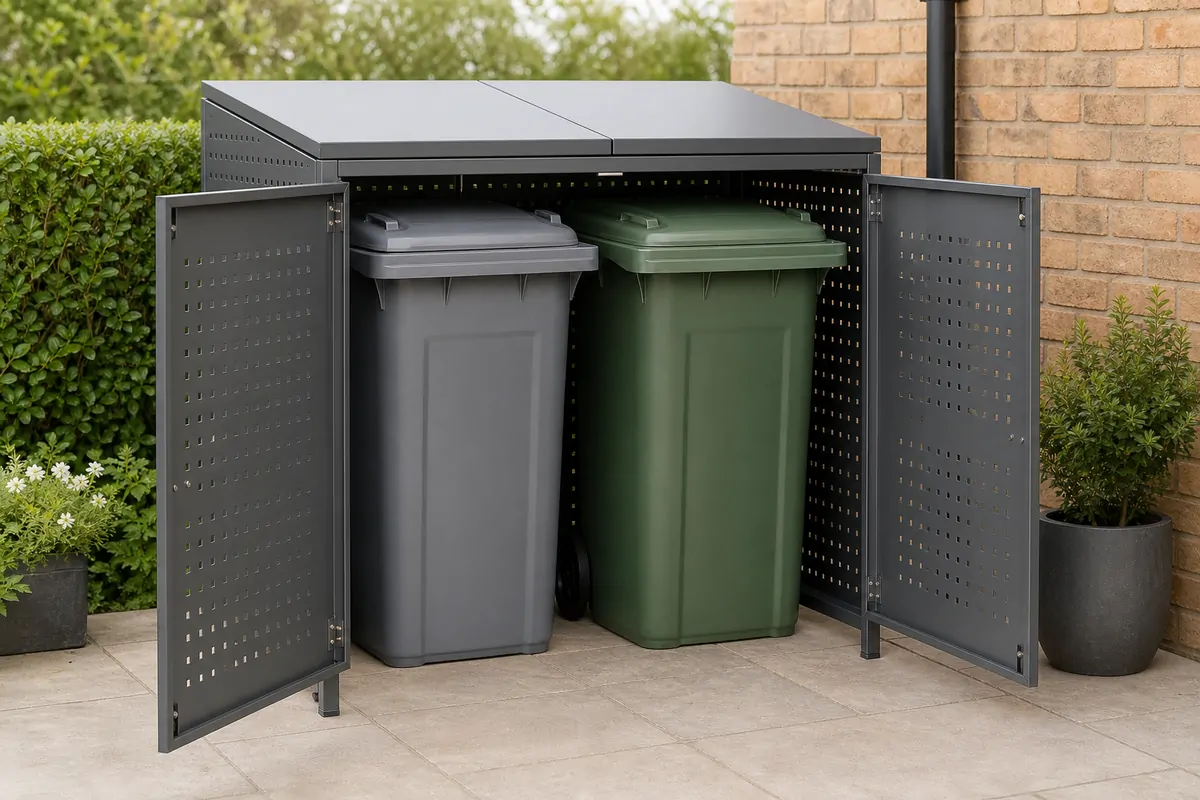
Why the 240L label is a useful starting point, but not a fit guarantee.
Read guide →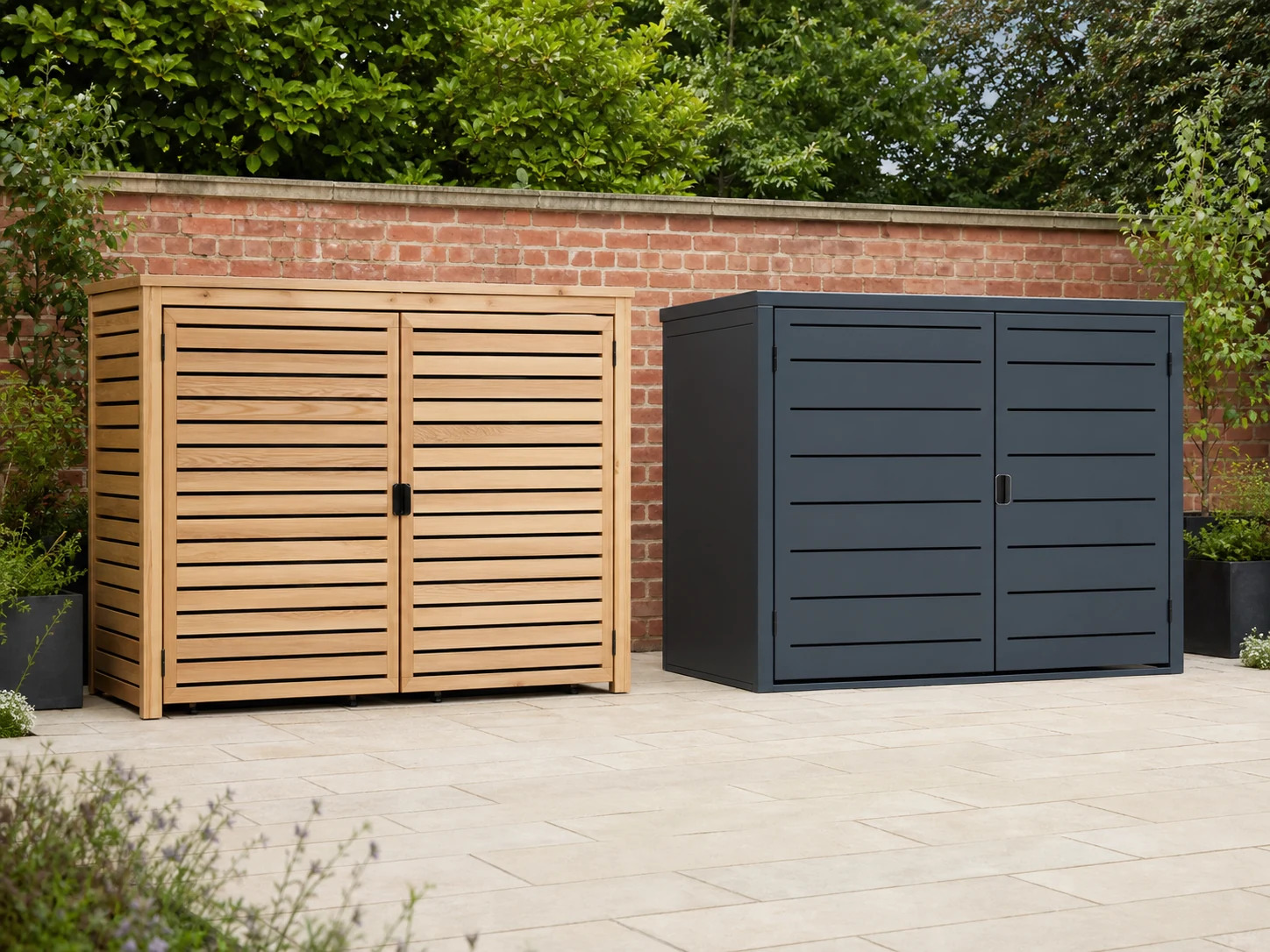
A practical comparison of upkeep, weight, ventilation and appearance.
Read guide →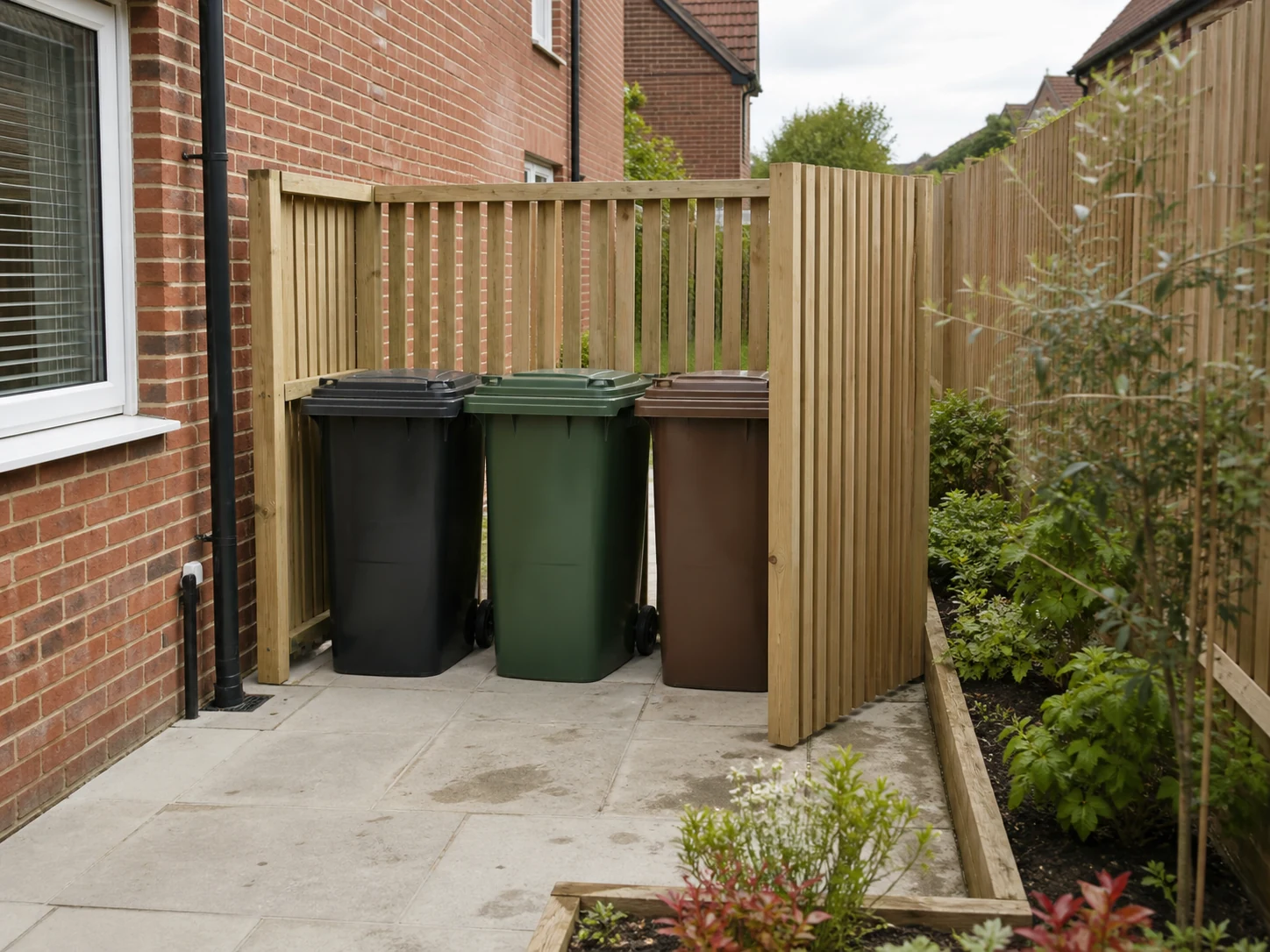
When a simple screen works better than a fully enclosed store.
Read guide →
What to check before adding planting and extra roof weight.
Read guide →
Understand why capacity alone is not an exact dimensional standard.
Read guide →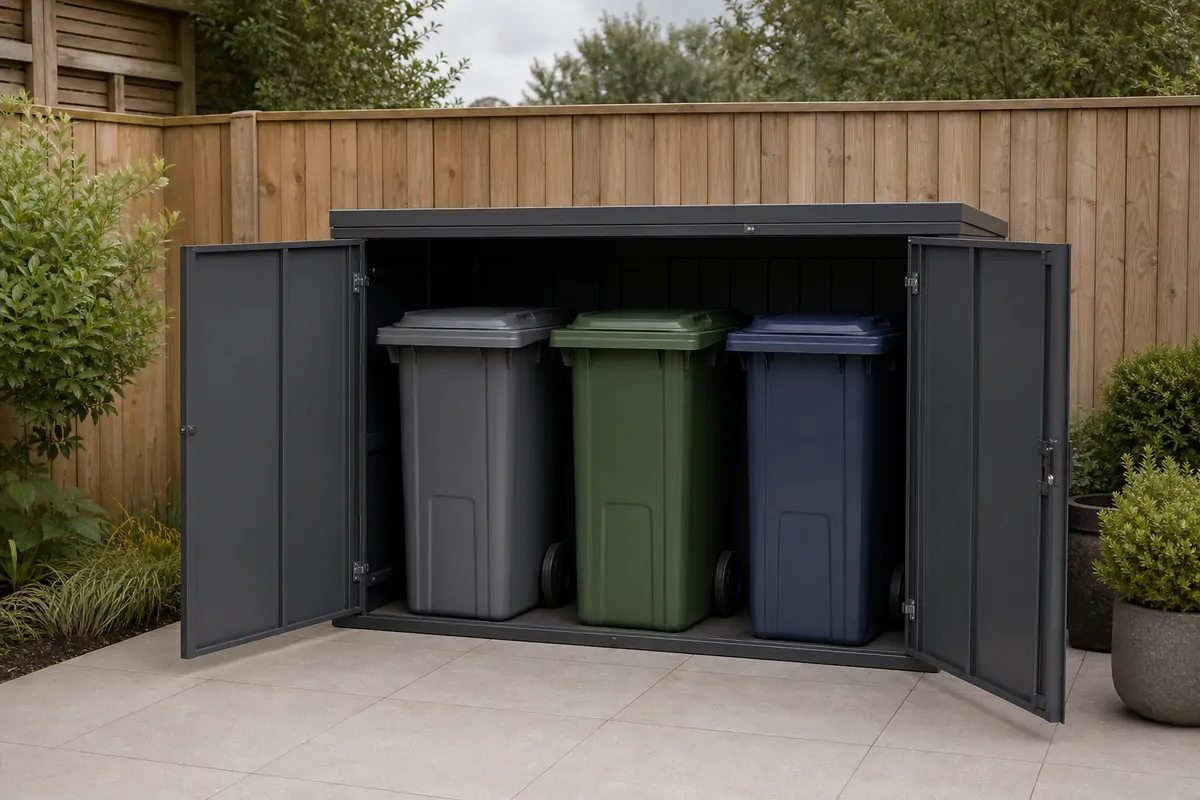
A useful bin-store shortlist begins with the number and size of bins, the available footprint and the way you need to move the bins on collection day. Appearance matters, but it should come after the practical checks. A store that looks right can still be unusable if the door opening is narrow, the roof blocks a bin lid, or the threshold is difficult to roll over.
If you do not yet know your bin dimensions, begin with the measuring guide. If all of your bins are labelled 240L, use the capacity guide to understand why that label is only a starting point. When you already know the space and bin measurements, move to the material and design guides to compare maintenance, ventilation, security and everyday access.
Retail listings often lead with the product’s external measurements, but internal room and access openings decide whether your bins can actually be used. Check door aperture, internal compartment width, roof opening and threshold height. For a shared compartment, confirm that the combined internal width works for the real arrangement of your bins. For separate compartments, check every slot rather than multiplying one advertised figure.
Metal stores can be durable and secure but may be heavy and need careful assembly on a level base. Timber can suit a garden visually and is easier to customise, but it needs appropriate treatment and ongoing maintenance. Plastic or resin units are often lighter and easier to clean, although panel rigidity, anchoring and replacement parts still need checking. No material is automatically best for every property.
Product dimensions, prices and availability can change. Use BinFit to narrow the options, then confirm the current manufacturer or retailer specification before buying. If a critical internal dimension or opening measurement is missing, treat the result as a manual check rather than a guaranteed fit. That cautious step is usually cheaper than returning a bulky flat-pack store.